

AI vs SEO: Is Search Engine Optimization Dead or Just Evolving?

MJ Website Design & SEO+

Why the Future of Marketing Isn’t AI or SEO... It’s Both
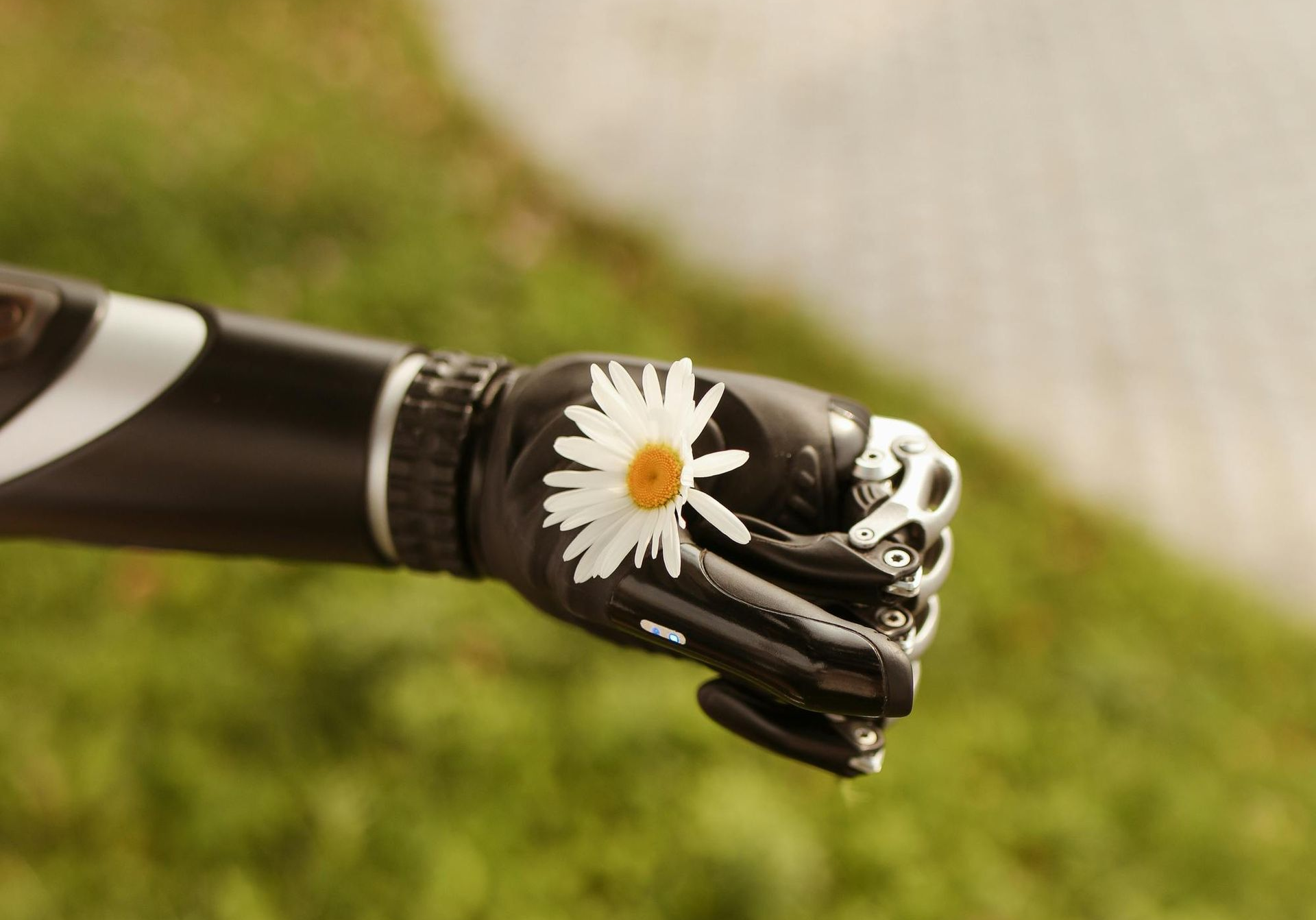
Let's talk about AI!


 If you’ve spent any time in the digital marketing world lately, you’ve probably heard the question: “Is AI going to replace SEO?” It’s a fair concern. With AI tools generating content, answering questions instantly, and even summarizing search results, the landscape is shifting fast.


But here’s the truth: SEO isn’t dying, it’s evolving. And those who understand how AI and SEO work together will have a major advantage.


The Rise of AI in Search

Artificial intelligence has dramatically changed how people interact with search engines. Instead of typing short, keyword-based queries, users are now asking full questions and expecting conversational answers.

AI-powered tools can:

  • Generate blog posts, product descriptions, and ad copy in seconds
  • Analyze massive amounts of data quickly
  • Predict user intent more accurately than ever before

Search engines themselves are also using AI to better understand content. That means ranking isn’t just about keywords anymore; it’s about relevance, quality, and user experience.


What SEO Still Does Best

Despite all the hype around AI, SEO still plays a critical role in how content gets discovered online.

SEO ensures that:

  • Your website is structured properly for search engines
  • Your content matches what people are actually searching for
  • Your site loads quickly and works well on all devices
  • You build authority through backlinks and trust signals

AI can generate content, but without SEO, that content may never be seen.


Where AI Falls Short

AI is powerful, but it’s not perfect.

Here’s where it struggles:

  • Original insight: AI pulls from existing information; it doesn’t have lived experience
  • Brand voice: It can mimic tone, but it often lacks authenticity
  • Strategy: AI can assist, but it doesn’t replace human decision-making

This is especially important for businesses trying to stand out. Generic, AI-generated content won’t build trust or differentiate your brand.


The Real Opportunity: AI + SEO

Instead of thinking “AI vs SEO,” the better question is: How can AI enhance SEO?

Here’s what that looks like in practice:

  • Using AI to speed up content creation, while humans refine and personalize it
  • Leveraging AI tools for keyword research and topic ideas
  • Analyzing user behavior to improve content strategy and conversions
  • Optimizing content for both search engines and AI-driven answers

The businesses winning right now aren’t choosing one or the other, they’re combining both.


What This Means for Your Business

If you’re a local business owner or service provider, this shift matters more than you might think.

Your potential customers are:

  • Searching differently
  • Expecting faster answers
  • Comparing options more efficiently

To stay competitive, your online presence needs to:

  • Answer real questions clearly
  • Provide value beyond surface-level information
  • Build trust through consistency and quality

That’s where a smart mix of SEO strategy and AI tools comes in.


Final Thoughts

AI is changing the game, but it’s not replacing the fundamentals.

SEO is no longer just about ranking on Google. It’s about being found, trusted, and chosen in a world where information is everywhere.

The future belongs to businesses that:

  • Embrace AI without relying on it completely
  • Invest in high-quality, human-centered content
  • Understand that visibility and credibility go hand in hand

If you approach it right, AI doesn’t compete with SEO, it makes it stronger.

Digital Marketing Insights By Maia

Website Design, Janesville, WI, Content Creation, SEO, Google, Facebook, Digital Marketing
By Maia Johnson April 6, 2025
Lets talk about how color captivates the mind! Color is one of the most powerful tools in a web designer’s arsenal. It has the ability to influence emotions, direct attention, and even impact decision-making. Understanding the psychology of color can help designers create more effective websites that engage users and drive desired actions. In this blog, we’ll explore how different colors affect user behavior and how you can strategically use them in web design. The Psychology of Color in Web Design: How to Influence User Behavior Understanding Color Psychology Color psychology is the study of how colors impact human emotions and behavior. Different colors evoke different feelings, and these associations can vary based on cultural influences, personal experiences, and context. When used strategically, colors can enhance user experience, increase conversions, and strengthen brand identity. Common Color Associations in Web Design Here are some common psychological associations of colors and how they can be used effectively in web design : 1. Blue – Trust and Professionalism Blue is one of the most widely used colors in web design, especially for corporate and technology websites. It conveys trust, reliability, and calmness. Many banks, healthcare providers, and social media platforms (such as Facebook and LinkedIn) use blue to establish credibility and security. Best used for: Financial institutions, tech companies, healthcare, and corporate websites. 2. Red – Energy and Urgency Red is a high-energy color that creates a sense of urgency and excitement. It can increase heart rate and stimulate action, making it ideal for call-to-action buttons and sales promotions. However, excessive use of red can be overwhelming, so it should be used sparingly. Best used for: E-commerce sites, clearance sales, fast-food branding, and call-to-action buttons. 3. Green – Growth and Harmony Green is associated with nature, growth, and health. It is often used by eco-friendly brands, wellness industries, and financial sectors. The color green is also known for its calming effect, making it a great choice for websites that want to promote relaxation and balance. Best used for: Health and wellness brands, finance, and eco-friendly websites. 4. Yellow – Optimism and Attention Yellow exudes positivity and warmth. It grabs attention quickly, making it a great choice for highlighting important information. However, using too much yellow can create feelings of anxiety or caution, so it should be balanced with neutral colors. Best used for: Call-to-action buttons, warning messages, and brands that want to appear friendly and energetic. 5. Black – Elegance and Sophistication Black represents luxury, sophistication, and power. High-end brands often use black to create a sleek and minimalist aesthetic. It works well when paired with contrasting colors to maintain readability and visual appeal. Best used for: Luxury brands, fashion, photography portfolios, and high-end products. 6. White – Simplicity and Cleanliness White is often associated with purity, simplicity, and spaciousness. It is a popular choice for modern and minimalist web design, as it helps create a clean and uncluttered look. White backgrounds enhance readability and allow other colors to stand out. Best used for: Minimalist websites, healthcare, tech, and creative portfolios. Strategic Use of Color in Web Design Now that we understand the psychological impact of different colors, let’s explore how to strategically apply them in web design: 1. Brand Consistency Ensure that your website’s color scheme aligns with your brand identity. Consistency in color usage across all platforms (website, social media, and marketing materials) helps reinforce brand recognition. 2. Call-to-Action Optimization Use contrasting colors for call-to-action (CTA) buttons to make them stand out. For example, a red or orange CTA button on a neutral background can encourage users to take action. 3. Creating Visual Hierarchy Use colors to guide users’ eyes to important elements on a page. Bold colors can highlight key sections, while softer hues can create a background that enhances readability. 4. Enhancing Readability Text color should contrast well with the background to ensure readability. Dark text on a light background is generally the best choice for long-form content. 5. Emotional Connection Consider the emotional impact of your color choices. For example, a website promoting meditation and relaxation should use calming colors like blue and green rather than bold reds and yellows. Final Thoughts The psychology of color plays a crucial role in web design, influencing user behavior, engagement, and decision-making. By understanding color associations and strategically applying them, designers can create visually appealing and effective websites that drive user actions. Whether you want to build trust, create urgency, or establish brand identity, the right color choices can make a significant impact. Are you ready to use color psychology to enhance your website? Experiment with different color schemes and see how they affect user behavior! Visit MJ Website Design & SEO+ to see how we can help!
By Maia Johnson March 23, 2025
Let's talk Freshness Factor! Web design is constantly evolving, and as we move into 2025, new trends are shaping how users interact with digital experiences. To keep your website fresh and engaging, it's essential to stay ahead of the curve. Let’s dive into the hottest web design trends of 2025 and what styles are becoming outdated. What’s In: The Must-Have Web Design Trends for 2025 AI-Powered Personalization AI is transforming web design by delivering highly personalized user experiences. Websites are now using AI to adapt content, design elements, and navigation based on user behavior, creating a more customized browsing experience. Immersive 3D and Interactive Elements With advancements in web technology, expect to see more 3D elements, animations, and interactive features that engage users and make websites feel more dynamic. From floating objects to interactive scroll effects, the web is becoming a more visually exciting space. Dark Mode and Minimalist UI Dark mode continues to be popular, reducing eye strain and improving aesthetics. Paired with minimalist designs, this trend focuses on clean layouts, simple typography, and an emphasis on user-friendly navigation. Voice-Activated Interfaces With the rise of voice assistants like Alexa and Siri, voice search and commands are becoming integrated into website navigation, making browsing even more seamless for users on the go. Sustainability-Focused Web Design Eco-conscious web design is on the rise. Websites are optimizing performance to use less energy, reducing unnecessary animations, and adopting sustainable hosting solutions to lower their carbon footprint. Neumorphism and Soft UI This trend blends skeuomorphism and flat design, creating soft, realistic-looking interfaces that are easy on the eyes while maintaining a modern feel. What’s Out: Trends Fading in 2025 Overly Complex Navigation Gone are the days of cluttered menus and confusing navigation. Users prefer intuitive, straightforward designs that make finding information effortless. Infinite Scrolling While infinite scrolling was once trendy, it often frustrates users by making content harder to locate. More websites are shifting towards structured, easily navigable layouts with clear pagination. Stock Photos Overload Authenticity is key in 2025. Users prefer real, high-quality visuals that genuinely represent a brand rather than generic stock imagery. Excessive Pop-Ups and Intrusive Ads Websites that bombard users with pop-ups and aggressive ads are seeing higher bounce rates. The trend is shifting toward subtle, user-friendly interactions that don’t disrupt the browsing experience. Flashy, Overcomplicated Animations Heavy animations that slow down website performance are being replaced with lightweight, efficient motion design that enhances rather than distracts from user experience. Final Thoughts Web design in 2025 is all about simplicity, personalization, and sustainability . By embracing modern trends and avoiding outdated practices, businesses can create websites that engage users, enhance usability, and stay ahead in an ever-changing digital landscape. Is your website ready for 2025? If not, it might be time for a refresh! CHECK US OUT AT MJ WEBSITE DESIGN & SEO+ TO SEE WHAT WE CAN DO FOR YOU!